*Film currently pending approval from the Museum of Vancouver.
For an upcoming exhibition in 2026, the Museum of Vancouver challenged us to create a five-minute documentary around the theme of “Rain.”
The Film
We decided to focus on Vancouver’s efforts to become a green city through green infrastructure across Metro Vancouver, specifically rain gardens.
We interviewed Julie McManus, senior project manager with the City of Vancouver’s green infrastructure implementation team, and Joanna Ashworth, research associate in SFU’s Faculty of Environment. Their interviews let us explain what rain gardens are and the role they play in Vancouver’s rainwater management strategy.
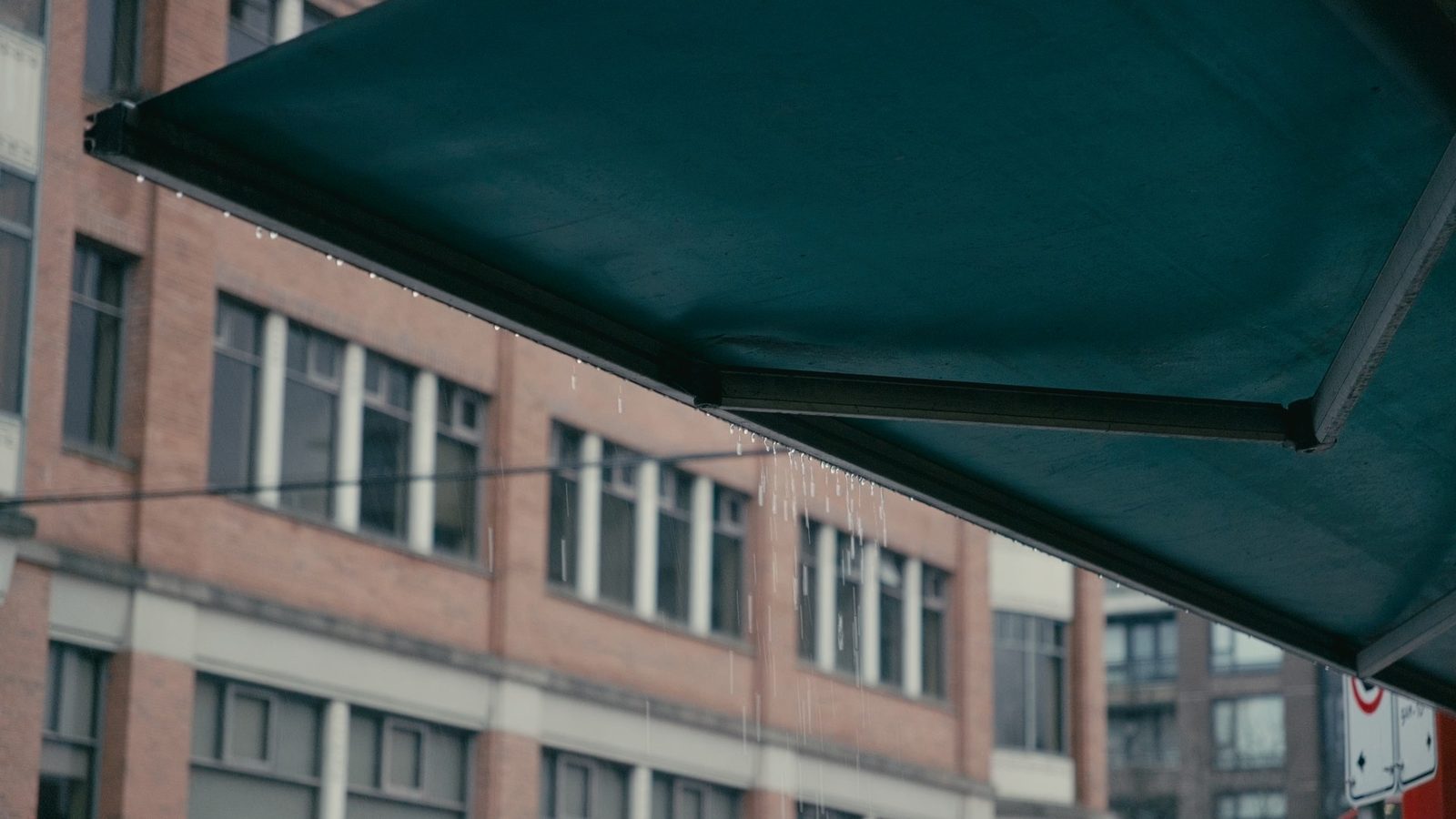
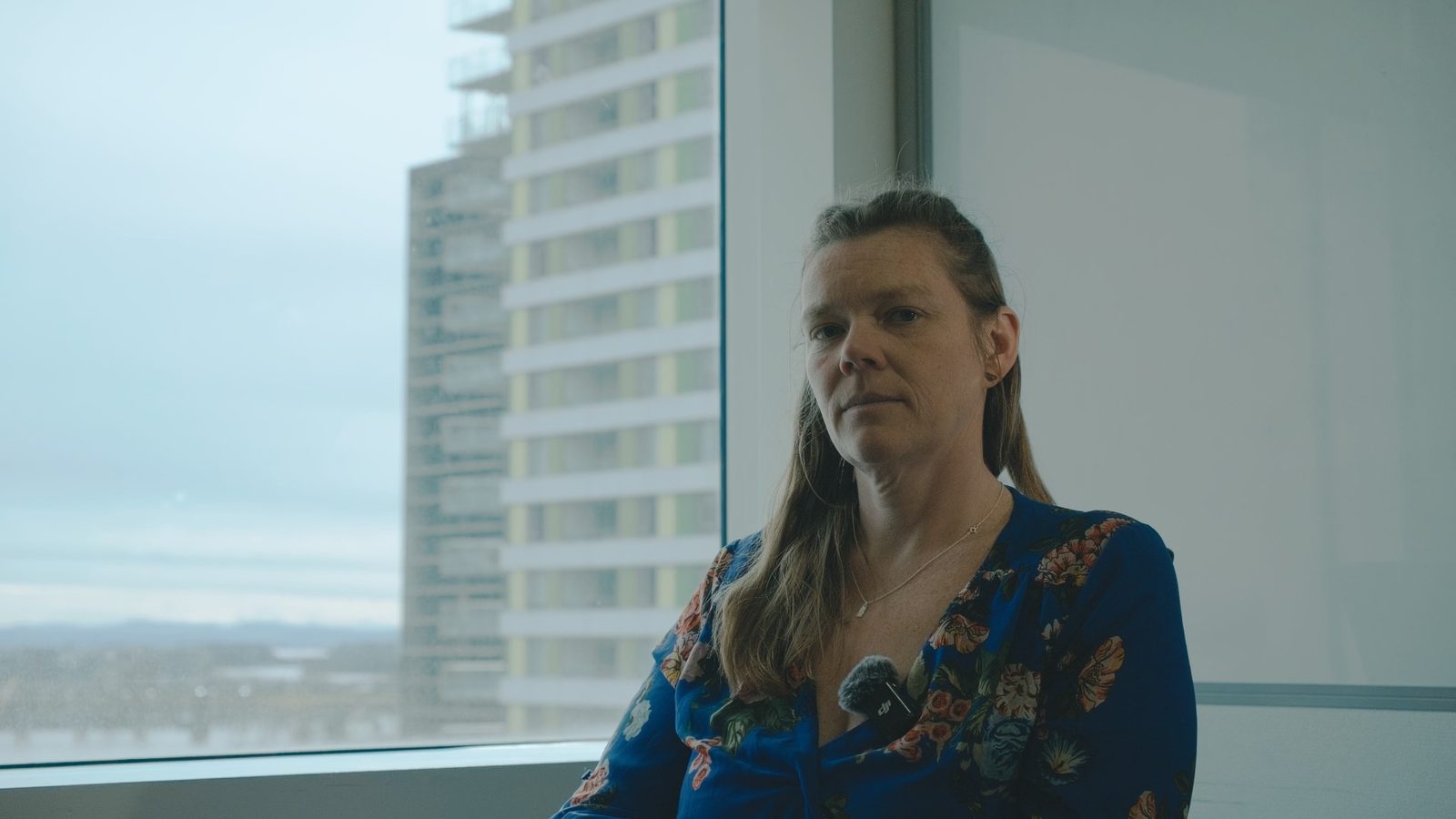
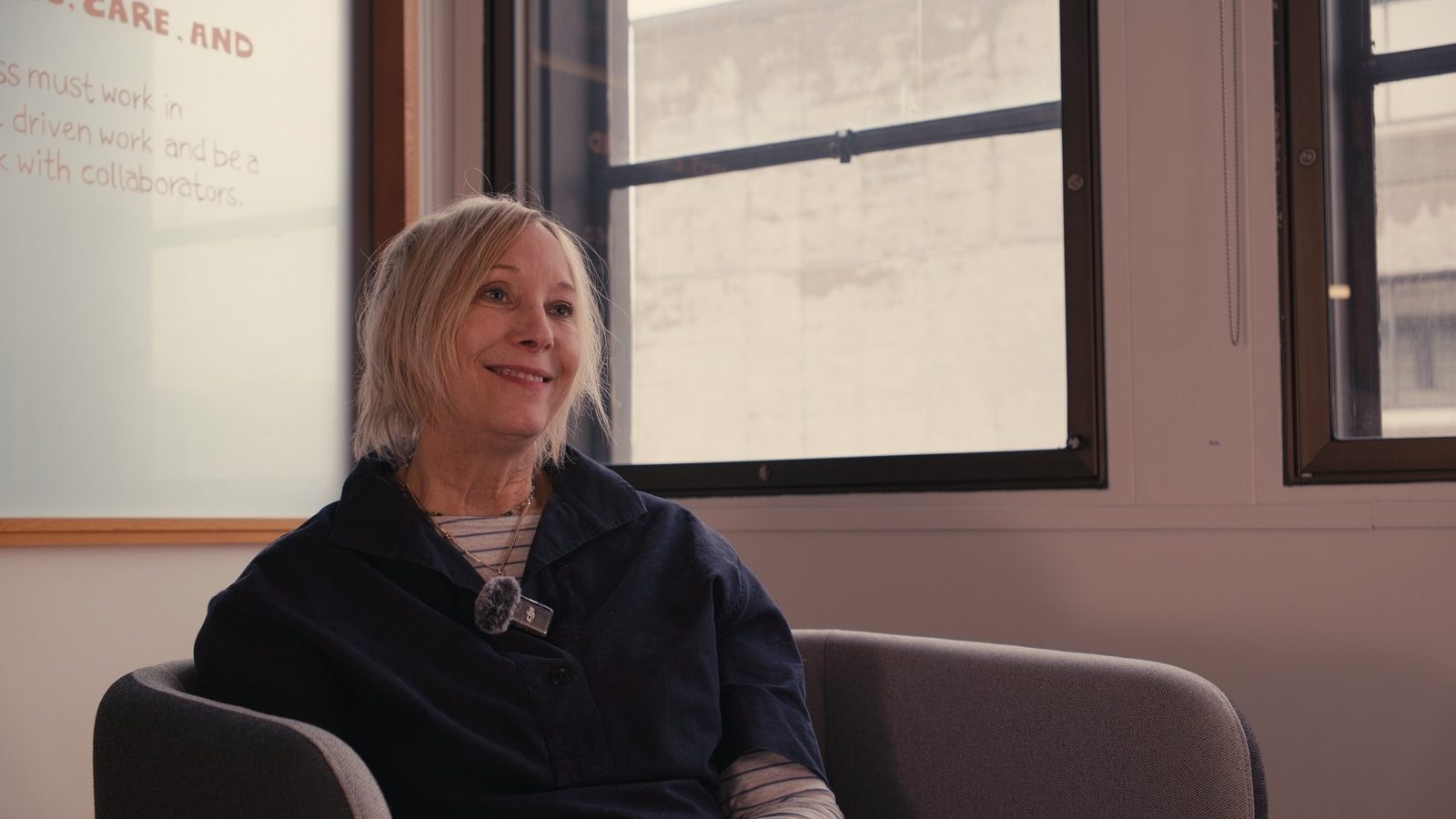
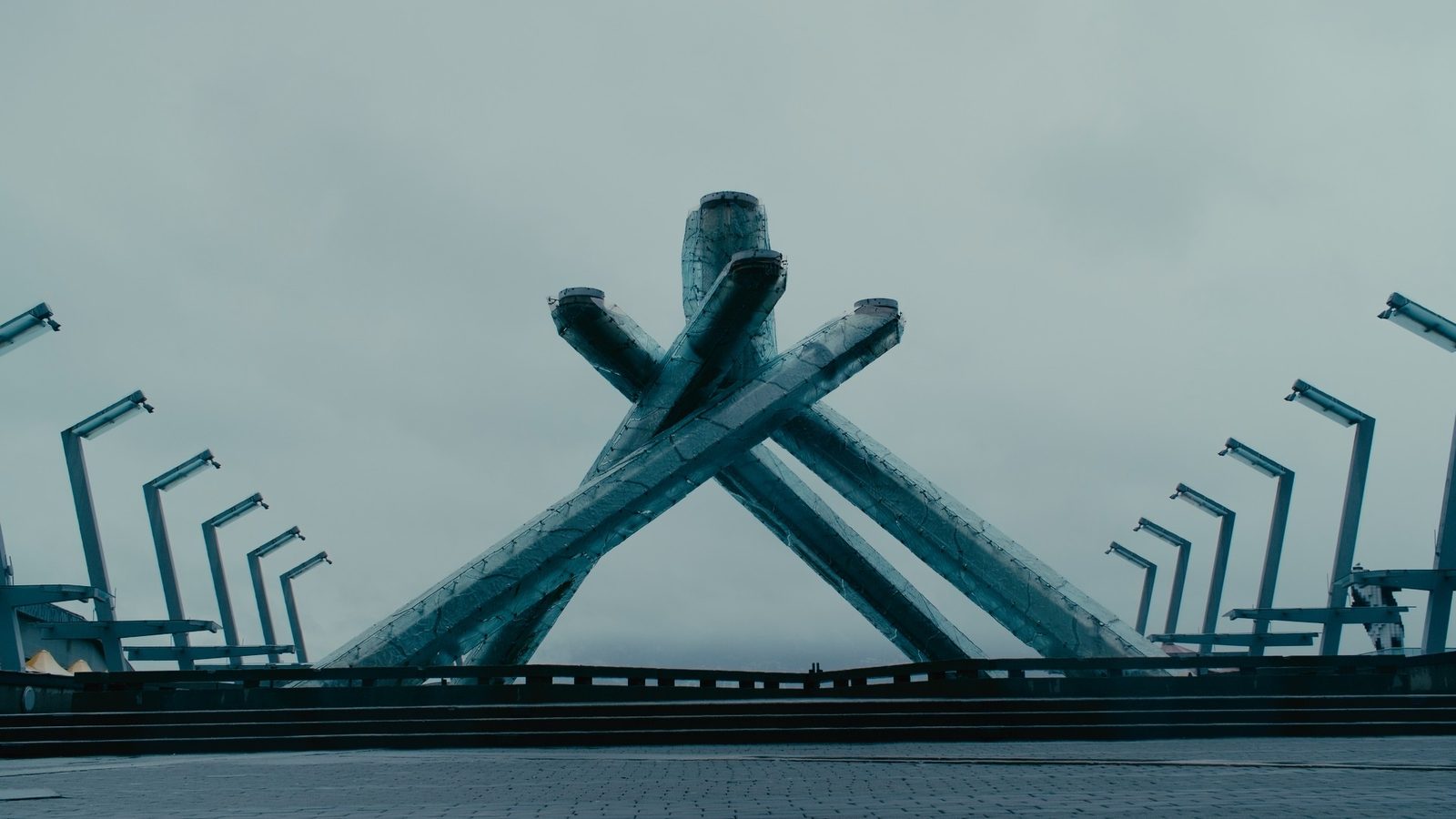
My Role
In pre-production, I reached out to potential interviewees, secured our interviews, and made a moodboard for how we wanted the film to look.
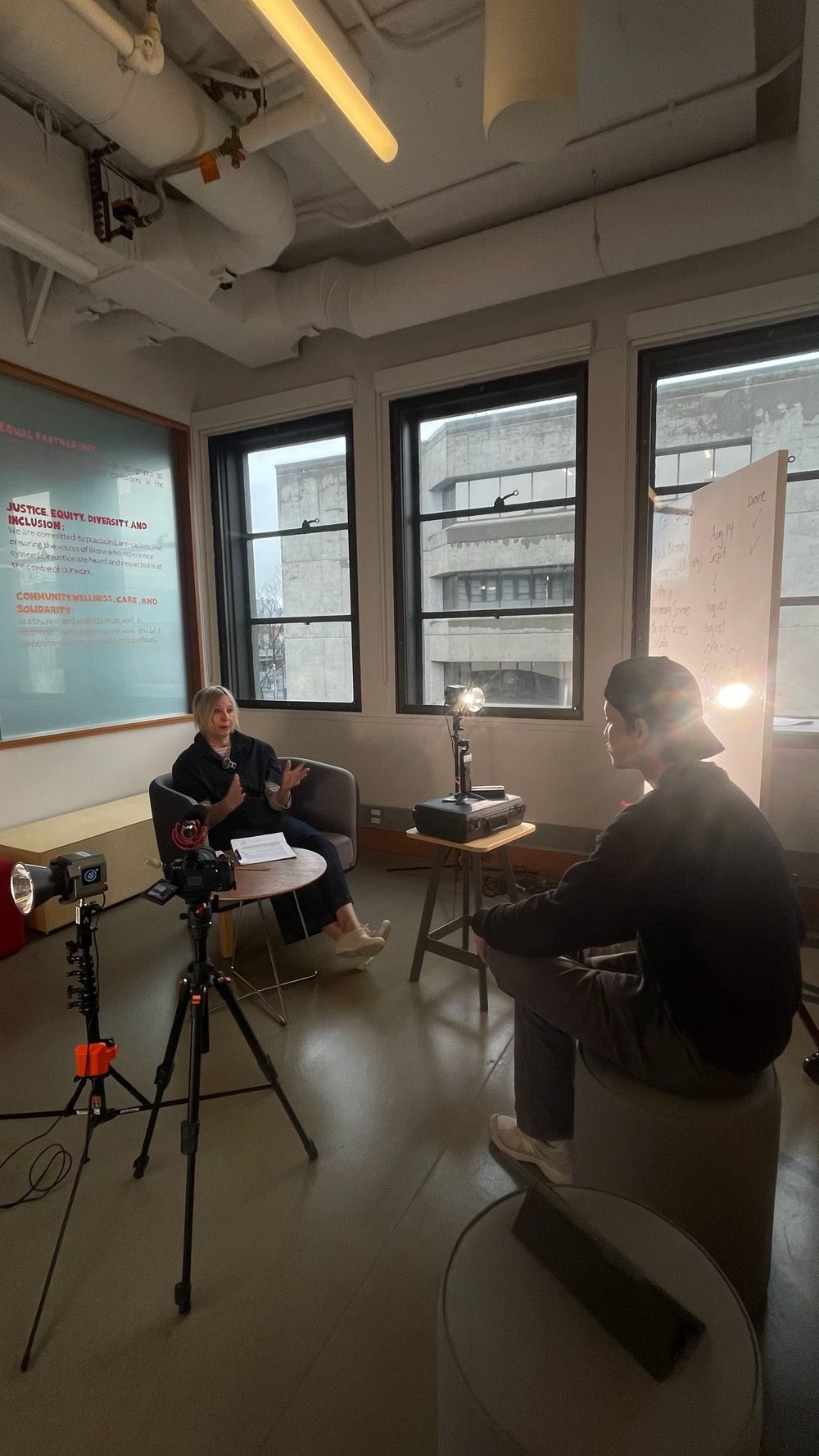
During filming I was Director of Photography: behind the camera for every shot, making sure each scene was properly exposed. I also set up the interview scenes, including lighting kits and audio equipment, and asked the interviewees our questions.
In post-production, I helped edit the film and colour graded the final footage.
Process
We filmed at 24fps with a 1/48 shutter speed, keeping ISO at 1250, the lowest available for F-Log2. Interviews were shot at f/4 to f/5.6, where the lens is sharpest while still blurring the background without distracting from the subject. Landscapes and wide shots were shot at f/8 to keep as much in focus as possible without getting too dark. An ND filter helped control exposure throughout.
Shooting in F-Log2 gave us the most flexibility in the grade, where we leaned into blues and greens to capture Vancouver in the rain and its push for green infrastructure.
Shot on a Fujifilm X-S20 with a Sigma 18-50mm f/2.8. Graded in DaVinci Resolve, edited in Premiere and Final Cut Pro.
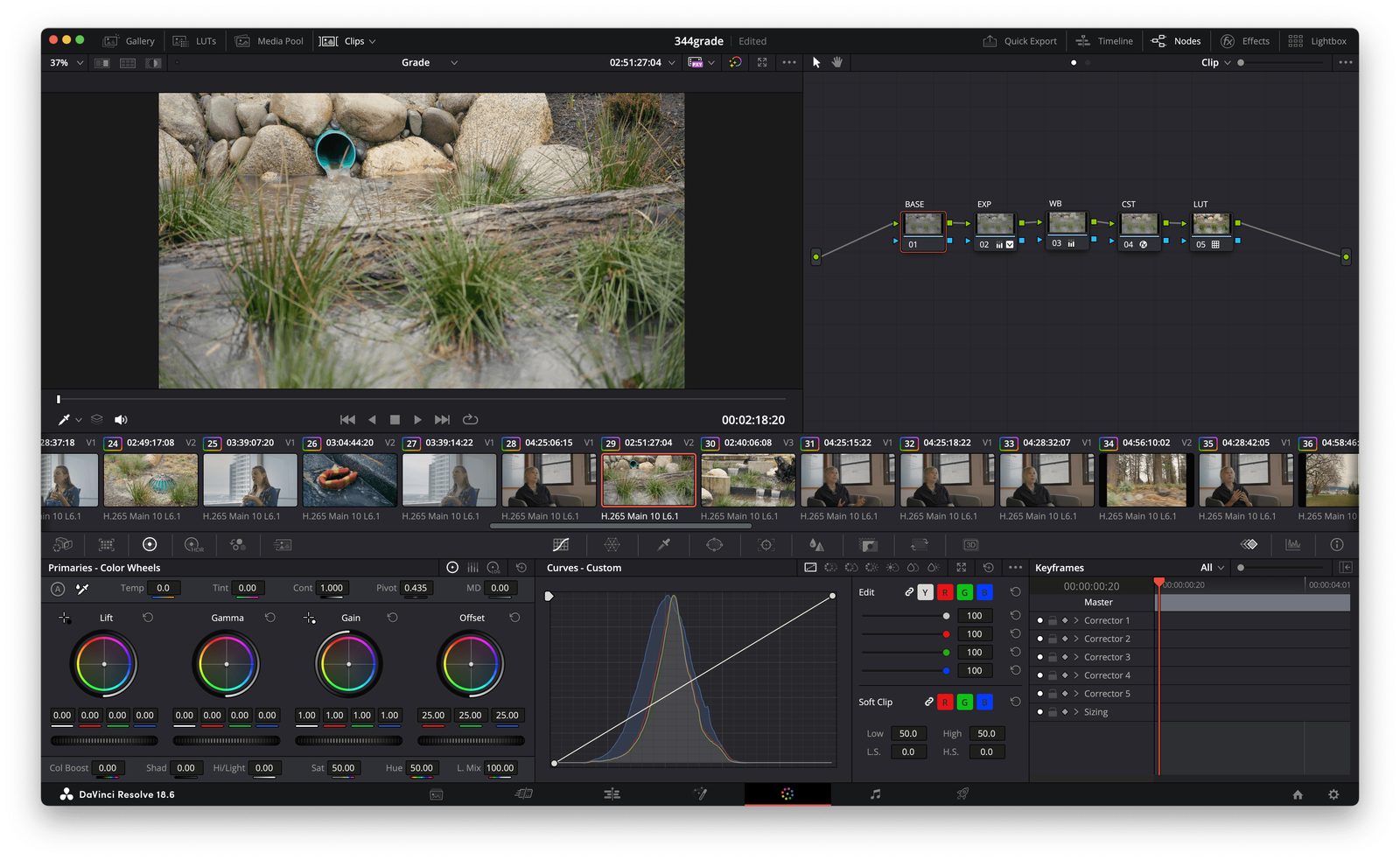
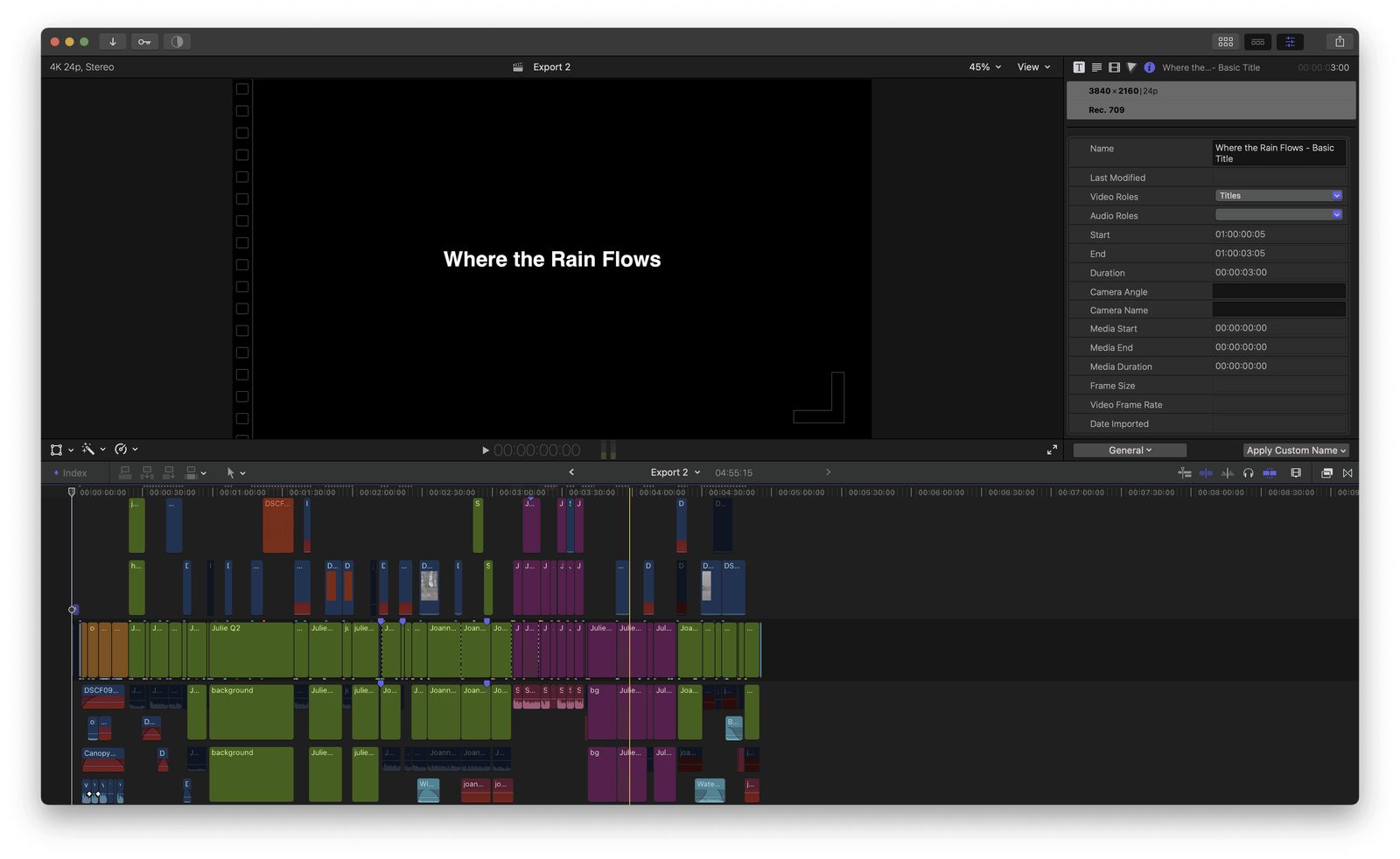
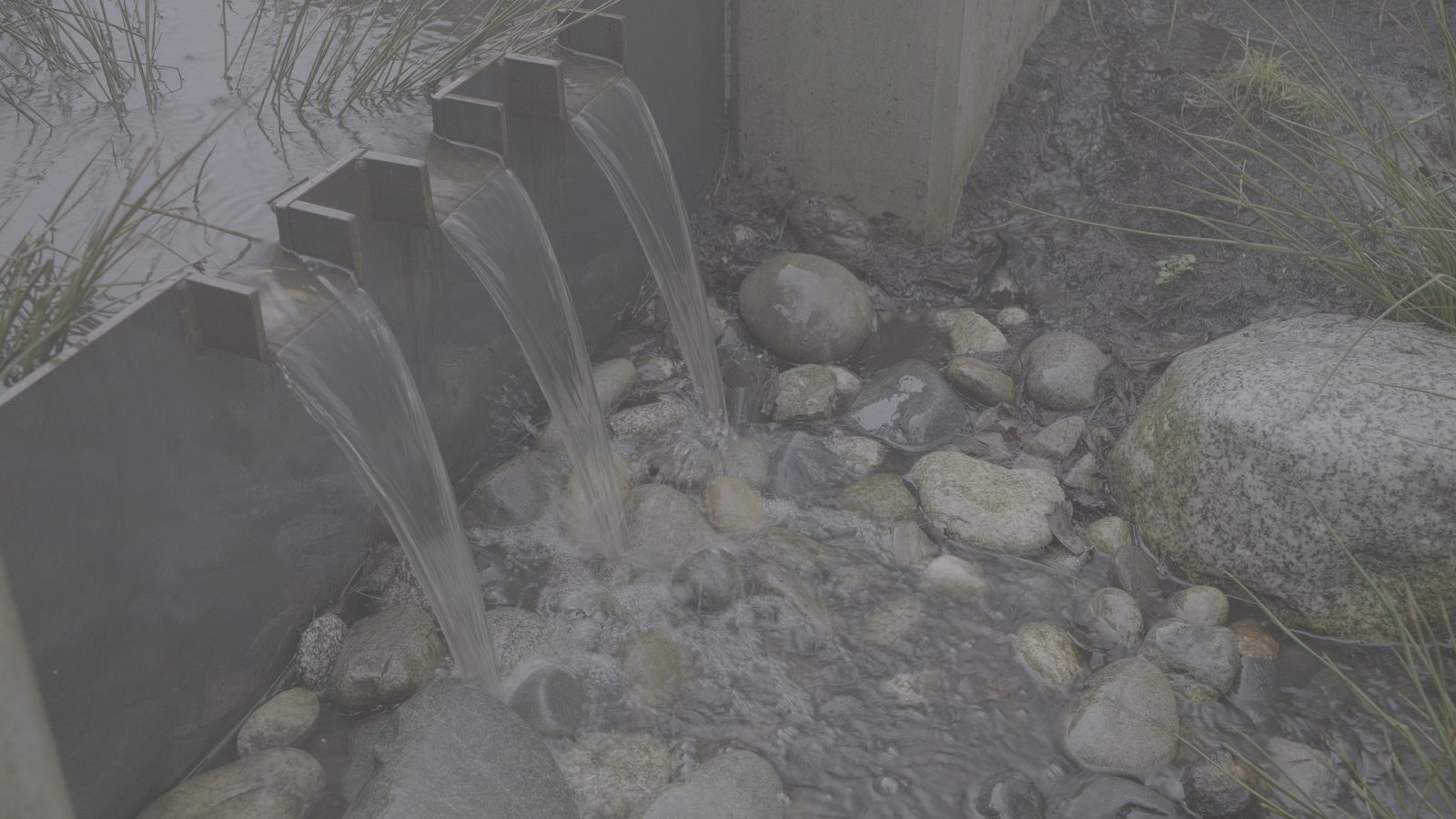
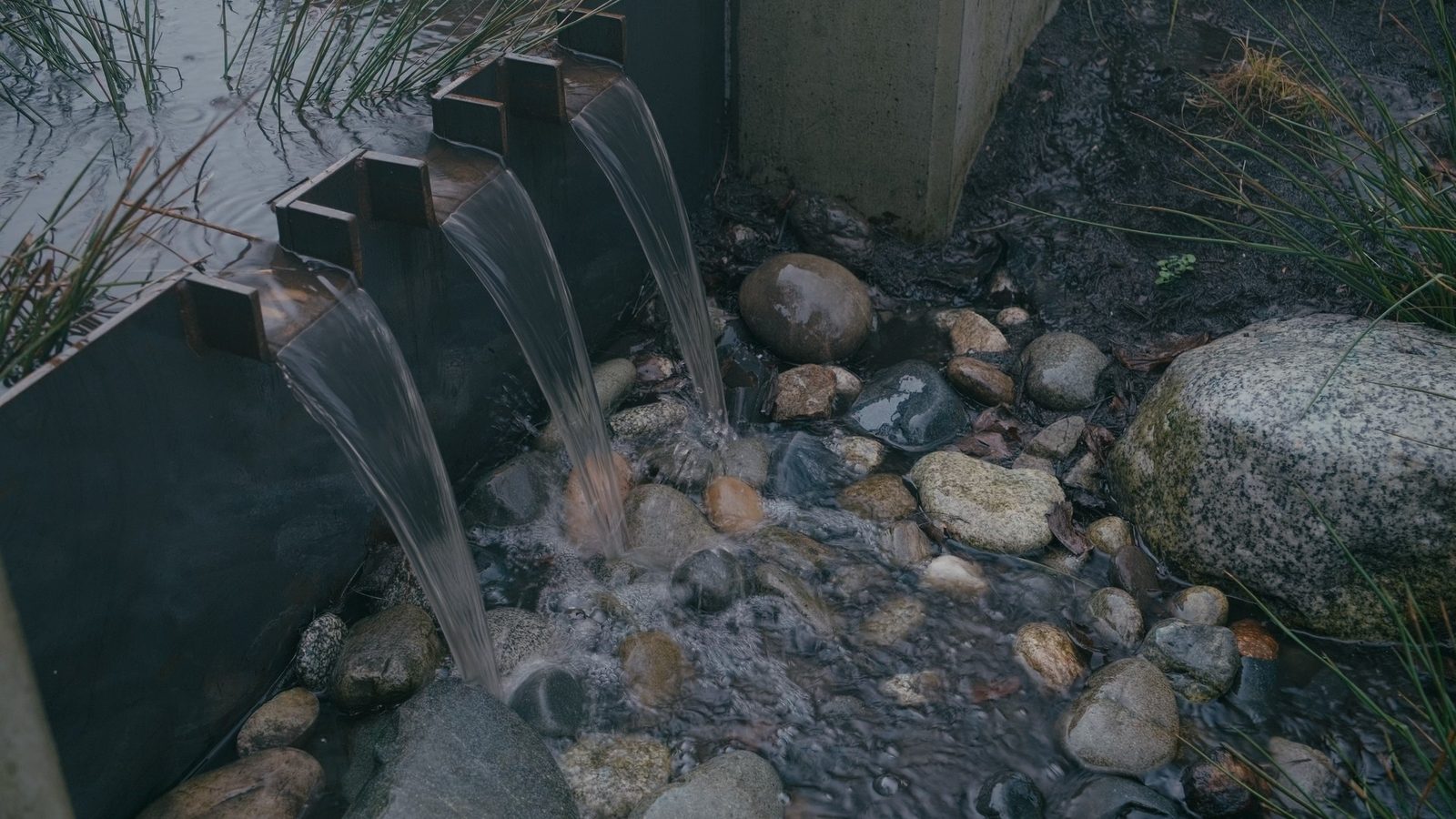
Before and after colour grading.
Key Learnings
- Light the person, not just the room. We wanted a natural look with a window behind each interviewee, but the light was harsh and we couldn’t point a light straight at their faces. It took a lot of testing to find setups where they were both comfortable and properly exposed.
- Cut toward the goal. Both interviews ran over fifteen minutes for a five-minute film, so we decided what stayed based on what we wanted the audience to take away.
This is just a snapshot of the design process.
Reach out to jaylee2402@gmail.com for the full story.
Next
Revolve Consulting Conference
Art Direction · Identity System · 2026